Posts

Showing posts with the label Sanjay Van

Sanjay Van- ek prem kahani

Image
The romance began when I was working in an organisation in Qutub Institutional Area. And to put it mildly, the boss of the place, and my boss, is possibly the worst person [not just boss] in the world. So post one of those irrational screaming bouts, I simply ran out into this forest. And just ran and ran till I finally slowed down. Then I stopped. And sat. Sanjay van and I became friends for life.  I have seen different seasons in this forest. There is a lane where the amaltas falls down in a golden shower, every summer. In rains, the forest croaks and little peepal saplings sprout all over the place. In winters, many migratory birds come and flock around the water body. I have also gone there on a full-moon night. It is scary and fascinating. The water bodies glimmer and there is thick hatch of bamboo next to one of them, which casts the most gorgeous shadows. There are many mazhars inside and my favourite one is next to the 11 th centure Lal Kot walls. These...
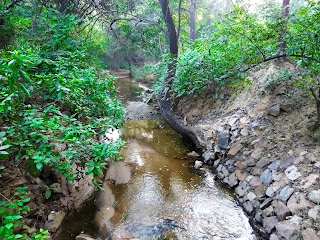
A walk in the forest

Image
The male hornbill eats the toxic Bish tendu fruit. Then spews out vomit to feed the female hornbill, who is kept hidden in the nest! Geeta from BNHS (bnhs.org) told us this and many interesting things about birds, butterflies, trees, on a walk arranged by NDNS (https://www.facebook.com/newdelhinaturesociety/?fref=ts) in Sanjay Van. This forest is part of the Southern Ridge, which is part of the oldest mountain range in the world – the Aravallis. We learnt about the importance of indigenous trees and collected seeds to help proliferate them. We understood the difference between Desi and Vilayati Kikar and that the former, is the real deal, while the latter does no good – not even serve as a home for birds/butterflies. We also realised that most ailments could be cured by fruits/barks/leaves of trees – so the forests heal us, in more ways than one. Walls of the original red fort of Delhi, Lal Kot, still exist in this forest. Originally built by the Tomars in 8 th century A...